12th Grade  Lesson 45 minutes

Bias Bingo: Unmasking Political Narratives!

José B
MA:Re8.1.iii
Self Directed Learning
Academic Mindset
Critical Thinking & Problem Solving
1-pager

Purpose

Students will engage in a hands-on exploration of media bias, critically analyzing how different political perspectives shape news narratives. Through project-based activities, they will develop skills in identifying and comparing biases, fostering a deeper understanding of media influence on public perception. This experience encourages students to reflect on the defining features of U.S. political systems and institutions, considering their responsibilities as citizens and enhancing their ability to participate in informed discussions and actions within their communities.

Learning goals

Students will pursue a deeper, nonpartisan understanding of United States politics and civic engagement, reflecting on the defining features of U.S. political systems and institutions, and consider the responsibilities of citizenship. They will critically analyze and compare media coverage from different political perspectives to identify biases and understand their impact on political narratives. Through creating digital infographics and participating in interactive exhibitions, students will develop self-directed learning skills, enhance their understanding of civic responsibilities, and engage in critical thinking and problem-solving related to media bias and its implications for democracy.
Standards
  • [National Core Arts Standards] MA:Re8.1.iii - HS Advanced: Analyze the intent, meanings and impacts of diverse media artworks, considering complex factors of context and bias.
Competencies
  • Self Directed Learning - Students use teacher and peer feedback and self-reflection to monitor and direct their own learning while building self knowledge both in and out of the classroom.
  • Academic Mindset - Students establish a sense of place, identity, and belonging to increase self-efficacy while engaging in critical reflection and action.
  • Critical Thinking & Problem Solving - Students consider a variety of innovative approaches to address and understand complex questions that are authentic and important to their communities.

Products

Students will create information tables that detail how different media outlets (left, right, center) report on the same political event, highlighting biases and narrative differences. They will then design a digital infographic that visually compares these perspectives, emphasizing the biases identified. This process encourages a deeper, nonpartisan understanding of U.S. political systems and civic engagement, as students reflect on the defining features of these systems and the responsibilities of citizenship.

Launch

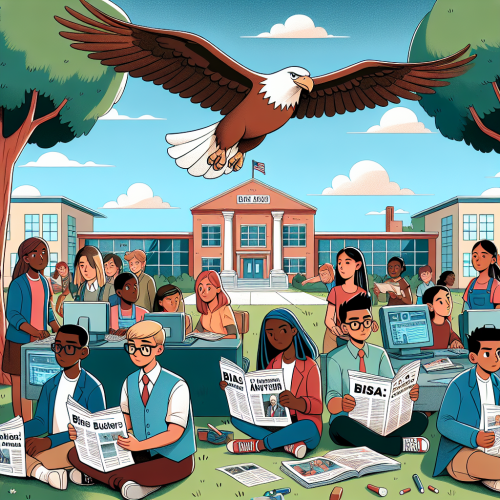
Begin the learning experience with an interactive 'Bias Bingo' game, where students collaborate in groups to identify different types of media bias in curated news articles. Each group receives bingo cards with specific bias categories, prompting them to find examples and discuss their findings. This activity encourages critical thinking and sets the tone for a comprehensive exploration of media bias and political narratives.

Exhibition

Host a 'Media Bias Expo' where students present their digital infographics and information tables in an engaging, interactive format. Invite peers, teachers, and community members to explore the exhibits and engage in discussions about media bias and its impact on political narratives. Encourage students to lead small group sessions during the expo, teaching attendees how to use the AllSides Media Bias Chart to identify bias and facilitate collaborative discussions on the broader implications of media bias in shaping public opinion.