This project aims to immerse first-grade students in the exploration and preservation of their local marine environment, fostering a sense of responsibility and connection to the sea. Through hands-on activities and collaborations with the CRAM Centre, students will gain practical knowledge about marine ecosystems and the impact of human actions. The project encourages critical thinking, effective communication, and self-directed learning, enabling students to actively contribute to marine conservation efforts while developing essential academic and socio-emotional skills.
Learning goals
Students will develop an understanding of marine ecosystems by creating mini ecosystems and models of marine animals, exploring the impact of human actions on these environments. They will practice effective communication by presenting their projects and reflections to peers, family, and community members, fostering a sense of identity and belonging. Through hands-on activities like beach clean-ups and collaboration with CRAM, students will engage in critical thinking and problem-solving to address real-world environmental challenges, while building self-directed learning skills through reflection and peer feedback.
Standards
[Computer Science Teachers Association] 1A-NI-06 - Collect and present the same data in various visual formats.
[Common Core] CCSS.ELA-Literacy.L.1.2 - Demonstrate command of the conventions of standard English capitalization, punctuation, and spelling when writing.
[Computer Science Teachers Association] 1A-IC-18 - Keep login information private, and log off of devices appropriately.
[Computer Science Teachers Association] 1A-AP-13 - Give attribution when using the ideas and creations of others while developing programs.
[Common Core] CCSS.ELA-Literacy.RF.1.1 - Demonstrate understanding of the organization and basic features of print.
Competencies
Self Directed Learning - Students use teacher and peer feedback and self-reflection to monitor and direct their own learning while building self knowledge both in and out of the classroom.
Academic Mindset - Students establish a sense of place, identity, and belonging to increase self-efficacy while engaging in critical reflection and action.
Critical Thinking & Problem Solving - Students consider a variety of innovative approaches to address and understand complex questions that are authentic and important to their communities.
Content Expertise - Students develop key competencies, skills, and dispositions with ample opportunities to apply knowledge and engage in work that matters to them.
Effective Communication - Students practice listening to understand, communicating with empathy, and share their learning through exhibiting, presenting and reflecting on their work.
Products
Students will create digital keychains using design software, with proceeds from their sales going to support the CRAM Centre de Recuperació d'Animals Marins. They will also develop mini marine ecosystems as physical models, showcasing both healthy and unhealthy environments. These creations will be displayed during the 'Marine Guardians' Day, providing an opportunity for students to share their learning and insights on marine conservation with the community.
Launch
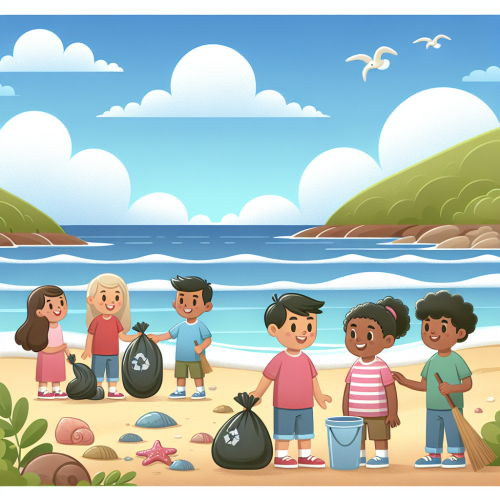
Begin the project with a 'Beach Clean-Up Adventure,' where students actively participate in cleaning a local beach. This hands-on activity will allow them to observe the effects of pollution firsthand and understand the significance of maintaining a healthy marine environment. It will set the stage for their exploration of marine ecosystems and the importance of conservation efforts.
Exhibition
Students will present their mini marine ecosystems and reflection journals at a 'Marine Guardians' Day hosted at the CRAM Centre, engaging family, friends, and community members in discussions about marine conservation. They will also participate in a 'Sea Stories' Exhibition, where they share performances inspired by their learning journey, fostering interactive dialogue with attendees. These events will create a platform for students to communicate their insights and experiences, highlighting their contributions to marine preservation efforts.